
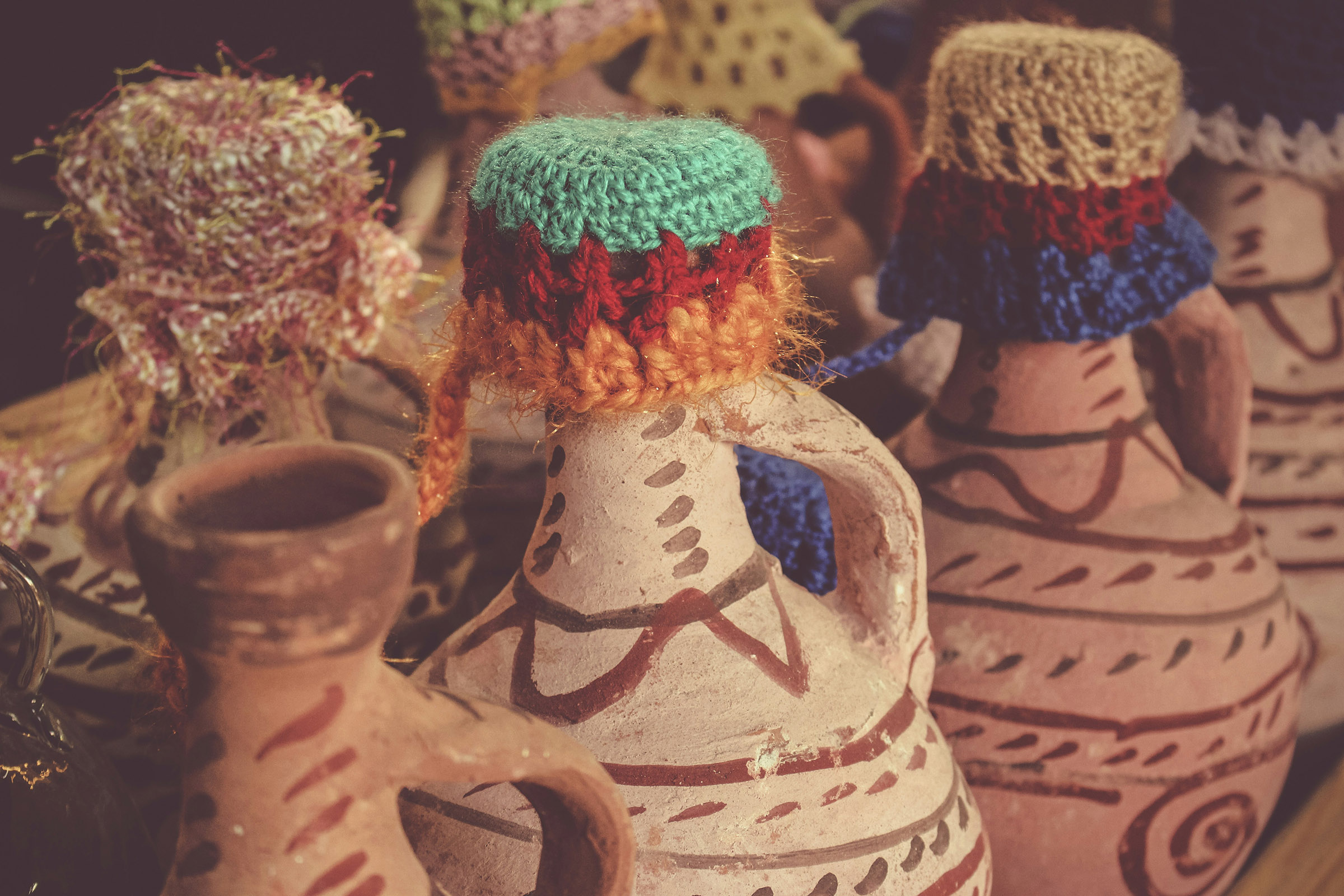
Morocco is world-renowned for its pottery tradition, where artistry and function meet in remarkable ways. Antique Moroccan pottery reflects centuries of heritage, while modern ceramics adapt these traditions to contemporary life. Understanding the difference between the two reveals not only the story of Moroccan craftsmanship but also the timeless value it brings to homes around the world.
The History of Antique Moroccan Pottery
Antique Moroccan pottery holds a deep connection to the past. Crafted by artisans in Fez, Meknes, and Safi, these pieces used natural clay sourced locally. Handmade with basic tools, they were shaped, painted, and fired in traditional kilns. Their earthy tones, geometric patterns, and Berber influences made them essential in daily life, from cooking vessels to decorative art. People today admire traditional Moroccan ceramics for their authenticity and cultural symbolism, as they preserve a way of life passed down through generations.
Techniques That Define the Craft
What truly separates antique pottery from modern creations is the technique. In the past, artisans relied on hand-turning and natural pigments to create unique patterns. Every imperfection made the piece special and authentic. By contrast, modern Moroccan pottery often combines traditional skills with improved methods such as electric wheels and controlled kilns. This results in greater precision and durability while keeping the charm of heritage alive. The blend of old and new ensures that Moroccan clay pottery continues to evolve.
Moroccan Handmade Ceramics in Design and Aesthetic: Old vs. New
Antique pottery often features muted, earthy colors and tribal motifs. These designs carried symbolic meaning, often connected to protection, fertility, and spirituality. On the other hand, modern Moroccan handmade ceramics highlight brighter glazes, innovative shapes, and creative blends of styles. While antique works represent tradition, modern ceramics bring Moroccan art into global design trends, making them ideal for contemporary interiors. Both offer beauty, but in very different ways.
Practicality and Use in Today’s Homes
Another difference lies in their function. Antique pottery was built to serve everyday needs such as cooking or storing water, while also embodying artistry. Today, modern Moroccan pottery leans more toward décor. Beautiful bowls, mugs, and vases are designed to be both practical and stylish. With modern glazes, they are easier to clean and maintain. This balance of function and beauty ensures that Moroccan ceramics remain relevant in the modern home.
A Legacy That Lives On
Whether antique or modern, Moroccan pottery represents a cultural treasure. Antique pieces tell the story of Morocco’s past, while modern ceramics carry that tradition into the present. Together, they prove that Moroccan art is more than simple decoration—it is a bridge between history and contemporary living. For collectors and homeowners alike, the choice between antique Moroccan pottery and modern ceramics is not about better or worse but about appreciating the diversity of Morocco’s artistic heritage.